
Teachers’ top tips for planning a successful geography trip
In this guest blog, Bethan Beddow follows up her previous blog on the Isle of Arran with tips and advice on planning successful geography fieldwork. Bethan is Copywriter and Digital Content Creator at Rayburn Tours.
Geography school trips can be some of the most memorable learning experiences for students. But whilst students see the adventure, teachers know how much preparation goes into making a trip both educational and successful. Careful planning can make all the difference, from researching destinations to preparing students for different environments, experiences and cultures.
Several teachers who have led geography tours have shared their top tips with Rayburn Tours on planning a successful school trip abroad. Read on to discover their advice.
Start Preparing Students Early
One of the most effective strategies shared by teachers was the importance of preparing students mentally before they even step on the plane.
As one teacher, Paul Greenhalgh from Royal Grammar School, explains, “The first thing to do is ‘prime’ students. Before you teach students a particular topic, you share with them questions that they should be able to answer after they learn the topic.”
This technique, often referred to as “priming”, encourages students to begin thinking geographically ahead of the trip. Asking questions such as “How do you expect glaciation has shaped this landscape?” or “What changes might you notice in Icelandic environments over time?” helps students actively engage with what they’re seeing once they arrive.
Several teachers also create pre-trip booklets containing maps, itineraries, key vocabulary, human and physical geography themes, and spaces for notetaking during excursions. These resources help students connect classroom theory with real-world observations and help them to record and remember their experiences.
Use Visual Resources to Bring Destinations to Life
Many teachers highlighted the value of familiarising both themselves and their students with the destination before departure.
Traditional maps remain incredibly useful, but digital tools can also provide valuable context. Teachers recommended using Google Maps and Google Earth to explore landscapes, identify landmarks, and understand how physical features sit within wider environments. Drone footage and travel videos can also help students visualise locations before they arrive. Remember that coach drivers are not always familiar with fieldwork sites and parking places and may need guidance.
Be Clear About Expectations and Equipment
Preparation goes beyond academic content. Teachers stressed the importance of practical guidance, particularly around clothing, luggage, and safety.
Jill White, from St Leonards School, says, “‘Always start with a kit list. Show the students what they’re going to need – I’ll even wear suitable clothing, so the students know what they have to wear. I’ll also explain why each item is so important.” Students need to be prepared for uneven paths, wind and rain, waterlogged ground or intense sunshine.
She also uses demonstrations and visual examples to help students understand local customs and expectations before travelling. For Iceland trips, this includes discussing swimming etiquette and explaining safety risks around the country’s famous black sand beaches and waterfalls.
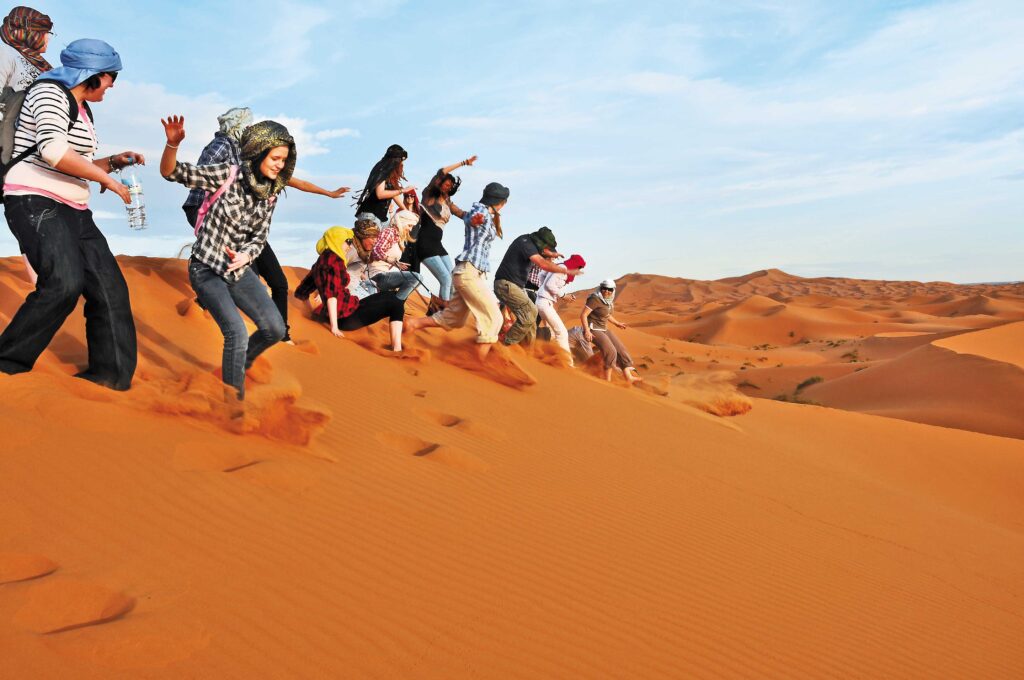
Helen Sail, teacher and Field Study Tutor, also recommends preparing students for the cultural differences they may encounter when travelling to destinations such as Morocco.
“It’s important that students understand the need to be culturally sensitive and respectful of local customs,” she explains. “Holding a parents’ meeting before departure can be really useful, as it gives students the opportunity to ask questions and helps teachers emphasise appropriate behaviours and clothing, such as wearing lightweight long-sleeved linen clothing to respect the local culture.”
Keep Communication Organised
Teachers repeatedly highlighted the importance of having one central place to share information with both students and parents. Group messaging platforms and shared communication channels can simplify everything from distributing kit lists and itineraries to sending reminders and travel updates ahead of departure.
Parents’ evenings were also seen as a valuable part of the preparation process, giving families the opportunity to ask questions, discuss cultural expectations, and feel reassured before the trip begins.
Helen Sail emphasises the importance of building excitement from the very beginning of the process.
“Part of it is marketing the trip and getting students excited about signing up,” she says. “I’ll show photos, go through the itinerary day by day, and explain what makes the experience so special. Once they’ve signed up, I’ll share reading lists or films connected to the destination, so they have more insight into what they’re going to see.”
Immerse Yourself in the Destination
Finally, teachers encouraged trip leaders to embrace the experience themselves.
Alan Parkinson, Head of Geography at King's Ely Prep and Vice President of the Education of the Royal Geographical teacher, shares, “When you’re there, try to soak up as much as possible. Even learning conversational phrases and engaging with locals or your coach driver can really enrich the experience.”
Students often mirror the enthusiasm and curiosity of their teachers. Showing interest in the local culture, language, and environment helps create an unforgettable and meaningful experience for everyone involved.
Preparation Really Is Key
From researching landscapes, writing risk assessments and planning timings to preparing students academically and culturally, the more thought that goes into a geography trip beforehand, the more rewarding the experience becomes for students and staff alike.
About the author:
 Bethan Beddow is a Copywriter and Digital Content Creator at Rayburn Tours, where she writes travel blogs and digital content designed to inspire school trips around the world. She loves turning real travel experiences into engaging stories that highlight the educational and cultural value of exploring new destinations!
Image credit: copyright Rayburn Tours